Working in Asbestos Analysis: A Guide for Overseas Applicants
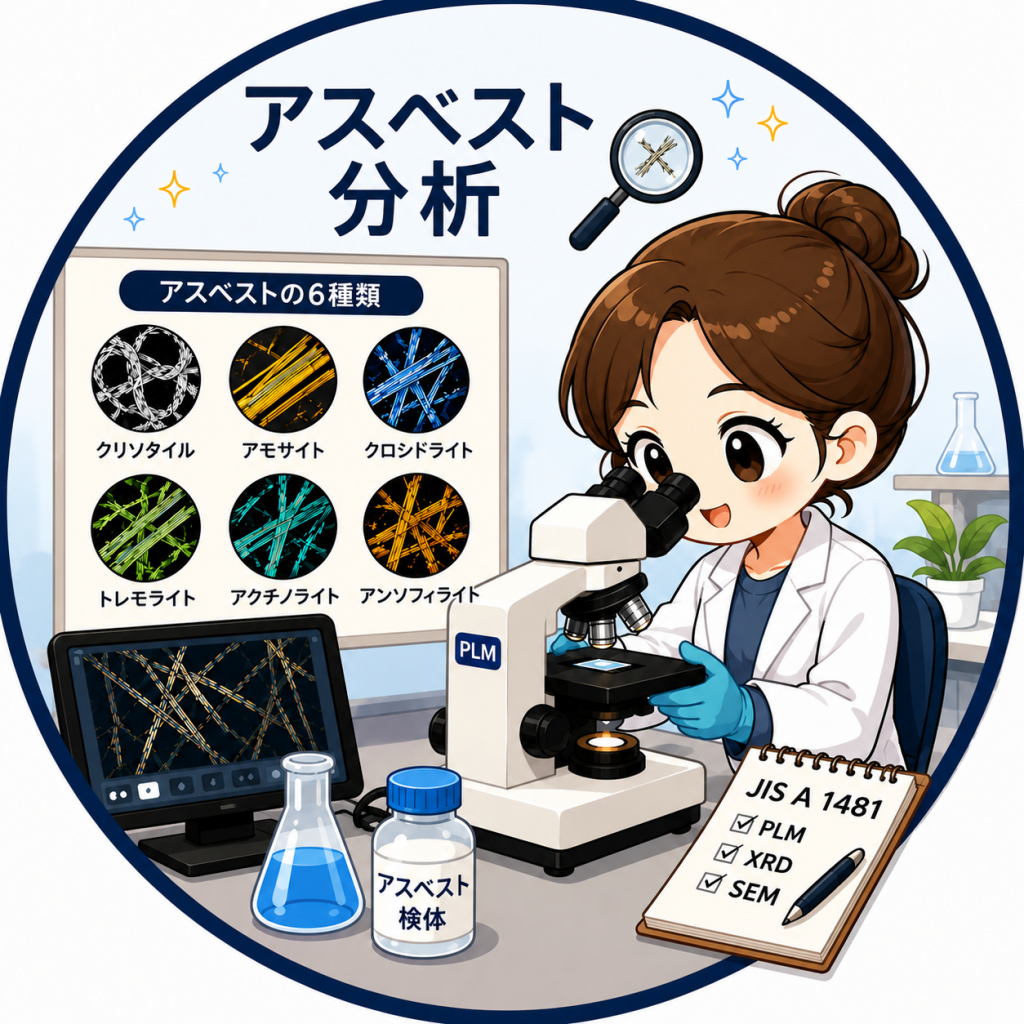
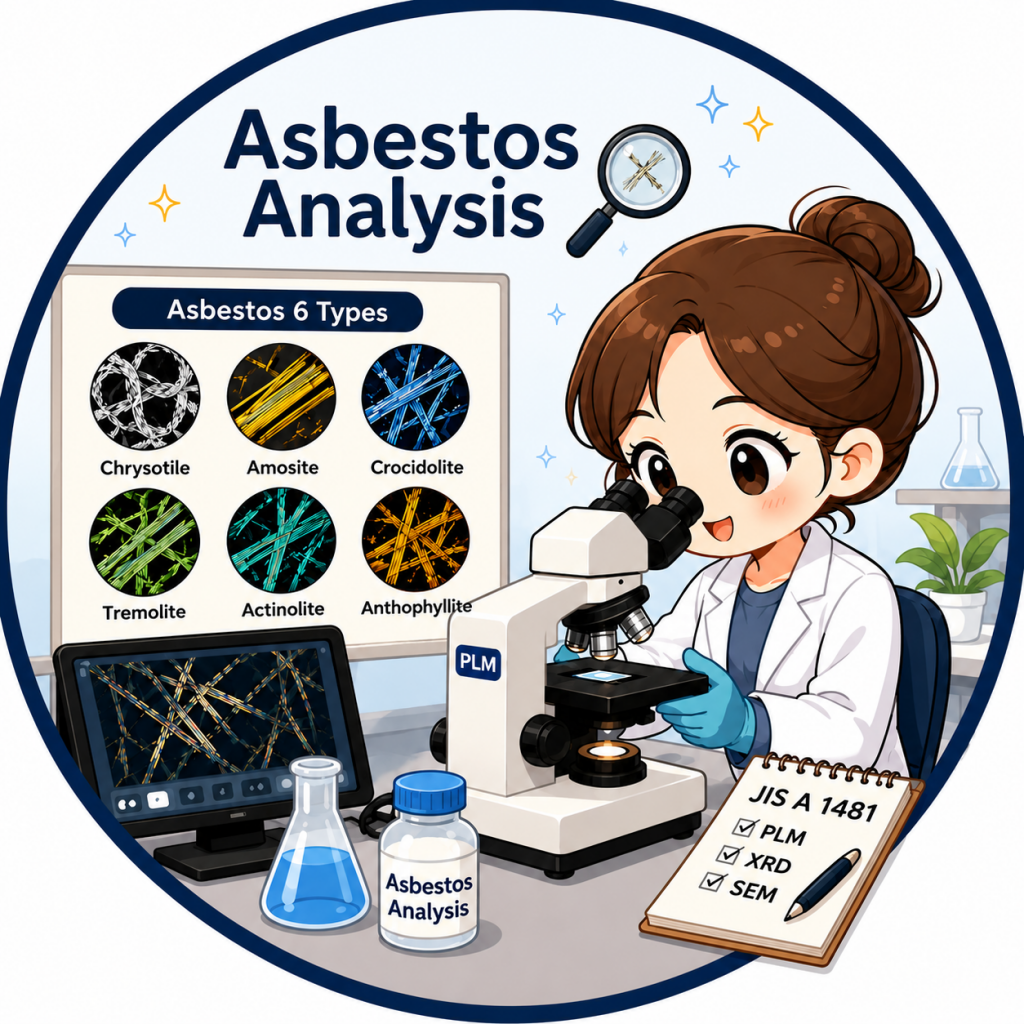
Starting a career in asbestos analysis in Japan as a foreign employee with no previous experience has been a new and challenging experience for me. I had to learn not only about asbestos analysis, but also Japanese technical terms and the Japanese workplace environment. Looking back, many things that worried me at the beginning became easier through daily training and practice.My First Experience Looking Through a MicroscopeOne of the first things that impressed me was looking through a microscope for the first time. At first, the colors and intensity of the light were difficult to get used to, and my eyes became tired. I also did not know exactly where I should look or what I should pay attention to. With practice, however, I gradually became more familiar with microscope and the way of observing samples.I became fascinated by the different shapes and appearances of fibers that can be seen under a microscope. While observing samples, I found it interesting to examine while wondering, “Could there be asbestos in here?” After finding fibers, one of the things I enjoyed was taking clear, high-quality images so that their characteristics could be easily recognized.
Through these experiences, I think I gradually became more interested in microscopy and more comfortable using the microscope.
The Challenge of Learning New Words and ConceptsOne of the most difficult parts of the training was learning new technical terms and concepts. I sometimes wondered, “Will I really be able to remember all of this?” Some technical terms were difficult to remember even in my own language, so learning them in Japanese was an additional challenge. At first, I felt pressure about whether I could learn everything within the training period. However, as I continued studying and practicing every day, the terminology gradually became more familiar.
Support from My Senior TrainerThe senior employee who trained me was very patient and always willing to explain things repeatedly when I did not understand.When I could not come up with an answer, they sometimes gave me hints rather than simply telling me the answer. When a Japanese term was particularly difficult to understand, they also helped by checking the English meaning and explaining it to me. I was also encouraged not to rush to remember everything and not to be afraid of making mistakes. This helped me realize that mistakes are part of the learning process. By making mistakes, correcting them, and trying again, I gradually became more comfortable with the work.Getting Used to a Japanese-Language PC EnvironmentUsing a Japanese-language PC environment was another challenge for me. I had mainly used English when typing on a keyboard, so Japanese input did not feel natural at first. My typing speed was also slow at first. However, by using the PC every day, I gradually became accustomed to it.This experience made me realize that people from overseas may benefit from preparing not only professional knowledge, but also Japanese technical vocabulary, Kanji, and basic Japanese PC functions before starting work in Japan.Advice for Overseas EmployeesFor people from overseas who are planning to work in Japan, I think it is important not to worry about understanding everything perfectly from the beginning. Professional knowledge is important, but being willing to ask questions, learn from mistakes, and practice every day is just as important. If you are considering starting a career in asbestos analysis in Japan, I hope my experience can help you feel a little more prepared for your first step.
Read More